Inspiring Older Adults to Prioritize Physical Activity Through Structured Training Recommendations
Wiki Article
Staying active is important for individuals of all ages, but it turns especially significant as individuals mature. For seniors, routine exercise assists in maintaining self-reliance, enhances movement, and improves general health. Comprehensive training frameworks provide aging individuals with organized approaches to fitness that include stability, flexibility, muscle endurance, and resilience. By implementing carefully planned workout recommendations, seniors can elevate their well-being while lowering the risks of accidents, health conditions, and emotional difficulties.
Exercise for aging individuals is not confined to intense workouts or intense gym workouts. It concentrates instead on safe, gradual, and sustainable physical engagement that suits unique capacities. Routines such as walking, mobility work, chair yoga, and bodyweight exercises aid in preserving limberness and strength. Heart-strengthening activities like aqua aerobics or stationary cycling improve circulation, which are important for sustaining stamina and stamina. These types of exercise also enhance cognitive wellness, as findings have demonstrated that consistent activity can improve recall, outlook, and useful source cognitive function.
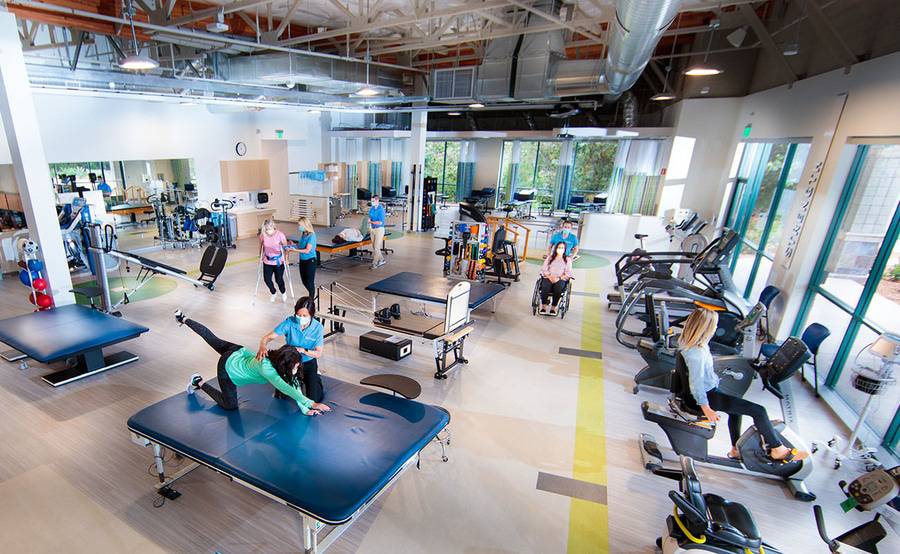
Holistic training plans emphasize a well-rounded strategy to wellness, covering muscular, psychological, and interpersonal factors of lifestyle. Seniors are advised to start gradually and advance at a comfortable pace, maintaining safety while reducing overexertion. Incorporating mobility sessions minimizes injury, while adequate water consumption and nutrition enhance training outcomes. Additionally, social exercise settings—such as senior workout groups or community walking programs—provide avenues for social interaction, motivation, and emotional support, which are just as vital to complete fitness.
Qualified instruction plays a key function in supporting older adults develop customized fitness programs. Consulting medical professionals, mobility experts, or qualified instructors guarantees that programs are adapted to personal requirements, fitness levels, and objectives. These professionals can design blog effective training methods that account for issues such as mobility concerns, osteoporosis, or cardiovascular limitations. Through ongoing assessment and revision, training programs continue to be effective and motivating, promoting sustained participation and success.
In conclusion, motivating older adults to participate in fitness through comprehensive training recommendations creates a mindset of healthy living. When older adults are equipped with information, inspiration, and organized systems, they develop assurance in their strength and enjoy greater independence. Regular exercise enhances not only physical strength but also mental clarity and emotional resilience. By supporting inclusive, well-guided fitness programs, communities can help that each older adult has the chance to enjoy a healthy, active, and fulfilling life.